

Key Information
Safeguarding
We have clear procedures in place to safeguard pupils at our school. These can be found in our Safeguarding and Child Protection Policy and are summarised in a parent-friendly summary below.
The routines and curriculum we have in place to support pupils to behave appropriately, form positive relationships and learn effectively are outlined in our Behaviour Curriculum and Anti-Bullying procedures, both underpinned by our Safeguarding and Behaviour Policies .
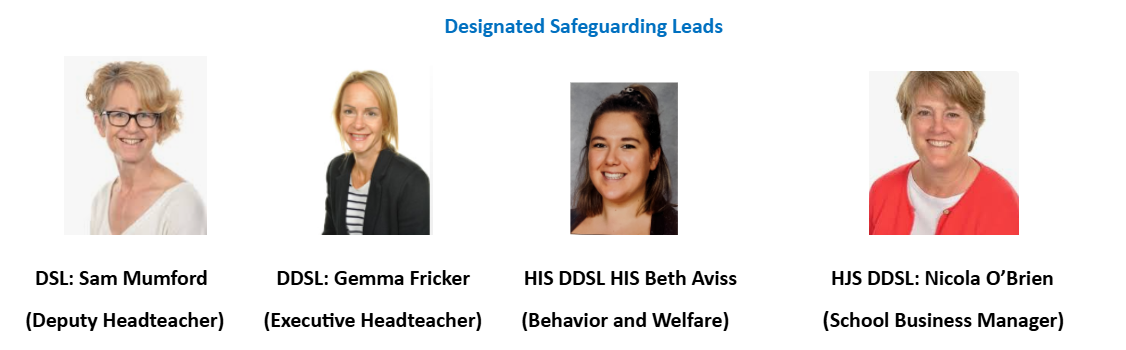
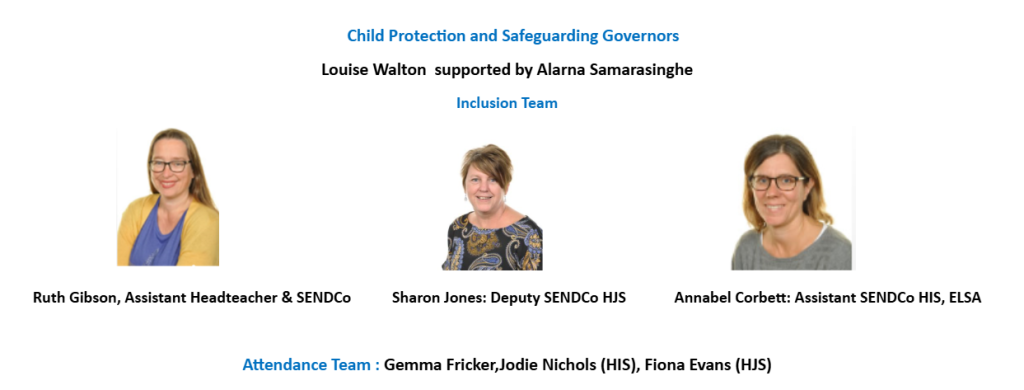
If you have any safeguarding concerns related to pupil at our school please report them to the Designated Safeguarding Lead, Sam Mumford or contact any of the safeguarding Team shown below via the school office email or phone number.
Our Safeguarding Team
What to do if you have a concern
If you have concerns about a child please come and speak to us.
Alternatively, If you’re concerned about the well-being of a child contact the First Response Team on 0117 903 6444.
If the child is at immediate risk call the Police on 999.
Other numbers you can call:
- NSPCC 24 hour Helpline: 0808 800 5000 (free from a landline)
- NSPCC Text helpline: 88858 (service is free and anonymous)
- Police: 101 (non-emergency calls)
Partnerships
We work with the Keeping Bristol Safe Partnership to ensure we have an up-to-date knowledge of local and national safeguarding issues. Their website has useful information for parents and children.
When appropriate we work with Families in Focus, CAMHS and North Star Outreach
The following websites may be useful to you, your family or someone else you may like to signpost support to.
- Advice to parents and carers on keeping children safe from abuse and harm
- Support for parents and carers to keep children safe online
- National Society for the Protection of Cruelty to Children
- Female Genital Mutilation signposting and guidance
- Bristol Against Violence and Abuse
- The Matthew Tree Project
- Support for families in crisis
- Grief counselling for children
- Guidance for domestic and sexual abuse
- Support for children who have suffered or witnessed Domestic abuse
- The Sanctuary-Help for emergency housing and aid
Self-esteem, healthy relationships and respecting difference
As part of our safeguarding procedures we support children to develop protective factors through our PSHE curriculum.
Our school curriculum aims to instil school and British values and support pupils to become global citizens who show respect and tolerance for others.
The Prevent Strategy
Prevent is a government strategy designed to stop people becoming terrorists or supporting terrorist or extremist causes. The Prevent strategy covers all types of terrorism and extremism, including the extreme right wing, violent Islamic groups and other causes.
How Prevent strategy applies to schools?
From July 2015 all schools (as well as other organisations) have a duty to safeguard children from radicalisation and extremism.
This means we have a responsibility to protect children from extremist and violent views.
Importantly, we can provide a safe place for pupils to discuss these issues so they better understand how to protect themselves.
What does this mean in practice?
The Prevent strategy is not just about discussing extremism itself, which may not be appropriate for younger children. It is also about teaching children values such as tolerance and mutual respect. We make sure any discussions are suitable for the age and maturity of the children involved.
Many of the things we already do in school to help children become positive, happy members of society also contribute to the Prevent strategy.
These include:
- Exploring other cultures and religions and promoting diversity
- Challenging prejudices and racist comments
- Developing critical thinking skills and a strong, positive self-identity
- Promoting the spiritual, moral, social and cultural development of pupils, including British values: respect and tolerance, individual liberty democracy and law and order.
- We will also protect children from the risk of radicalisation, for example by using filters on the internet to make sure they can’t access extremist and terrorist material, or by careful consideration around visitors who come into school to work with children.
How can parents support children and young people to stay safe?
- Keep communication open, listen to your child and talk to them about their interests
- Encourage positivity towards local groups that you can trust
- Talk to them about what they see on TV or on the internet,
- Allow and encourage debate and questions about the world
- Allow and encourage debate about the media and does it show a true reflection
- Manage E-Safety at home